How to integrate AI and Kubernetes components to build a resilient platform

mansplainer
João Brito
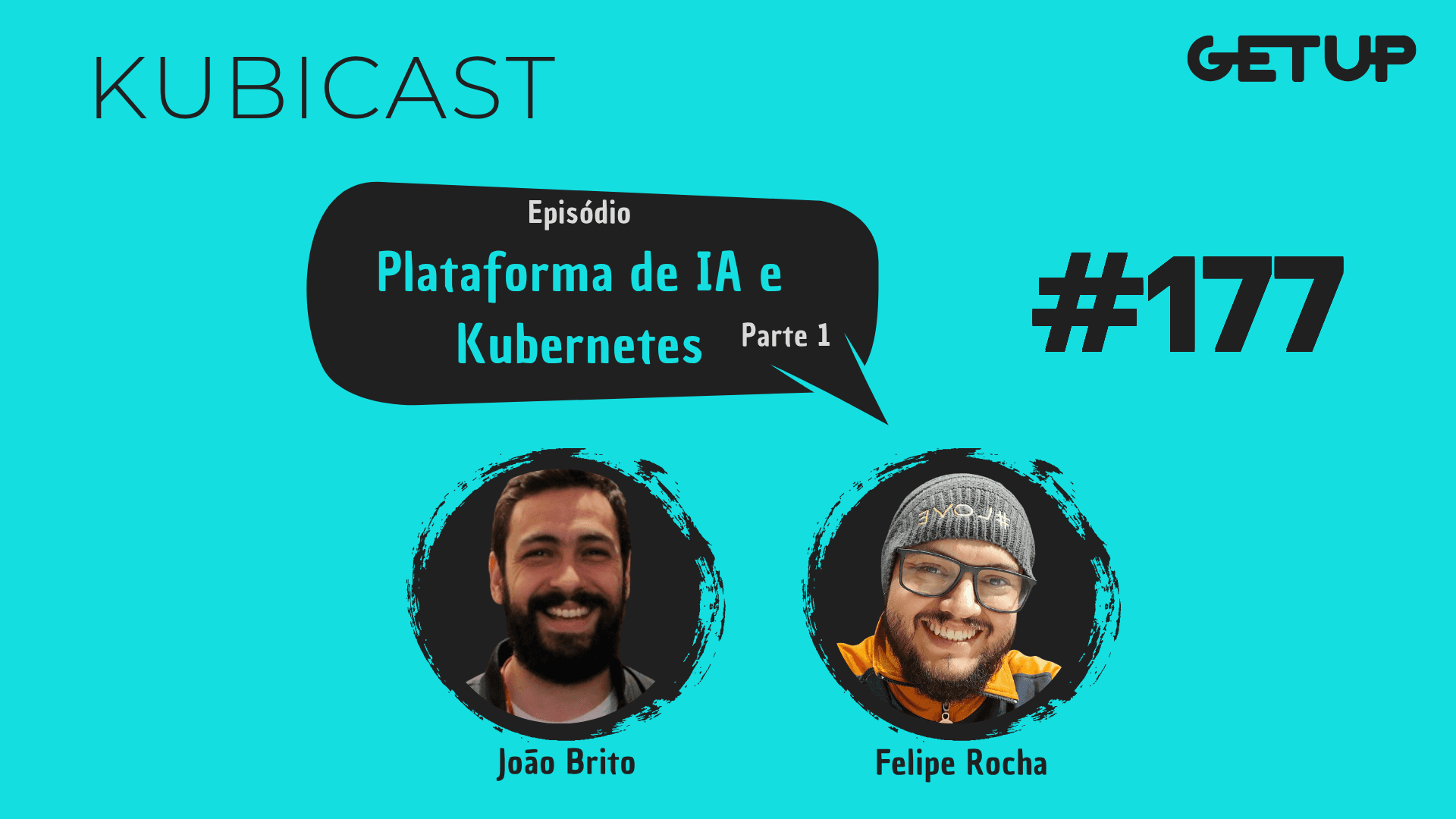
In our extended conversation with systems engineer Felipe Rocha, we uncover in this blog post the key takeaways from the last two episodes (177 and 178) of Kubicast. In the first part, we dive into platform engineering strategies and container security; in the second, we go deeper into Kubernetes and its components, showing how to scale and secure clusters in a practical way.
Part 1: From POC to MVP and Platform Intelligence
Platform Engineering and Automation
In episode 177, we began by addressing the lifecycle of a proof of concept (POC) through to the launch of a minimum viable product (MVP). We discussed how to choose the right automation tools — including CI/CD pipelines and data governance — to reduce delivery time without losing quality.
Container Security and RUG Fine‑tuning
Next, Felipe shared insights on container security, highlighting hardening practices and access policies based on the principles of least privilege. Finally, we explored the use of artificial intelligence and fine‑tuning via RUG to create language models aligned with business needs.
Part 2: Pure Kubernetes and Essential Components
Isolation and Networking
In the second part, we dedicated our attention to Kubernetes. We debated the importance of isolating workloads in namespaces and configuring network policies (NetworkPolicies) to ensure controlled traffic. We also touched upon CNI solutions for secure connection routing.
GitOps and Infrastructure as Code
We talked about integrating tools like Helm Charts, ArgoCD, and Terraform into GitOps pipelines, ensuring that configuration changes are auditable and reproducible. We showed how multitenant architectures can coexist in the same cluster while maintaining security and governance.
Security as a Planned Delay
We wrapped up by reflecting on the vision of security in Kubernetes: more than just blocking threats, the idea is to offer conscious delays at each deployment stage, allowing a balance between delivery speed and protection.
Conclusion
By bringing together the best of platform engineering, AI, and container security (Part 1) with the depth of Kubernetes and GitOps (Part 2), we have managed to build a robust overview for anyone wishing to take scalable and secure platforms to the next level. Keep following Kubicast and apply these insights to your environment!
Newsletter Getup.
Atualizações sobre Kubernetes e Software Supply Chain Security todos os meses.
Operating Kubernetes in production for more than 13 years. With Quor, this experience extends to software supply chain security as well.
GET UP
© Getup · 2026