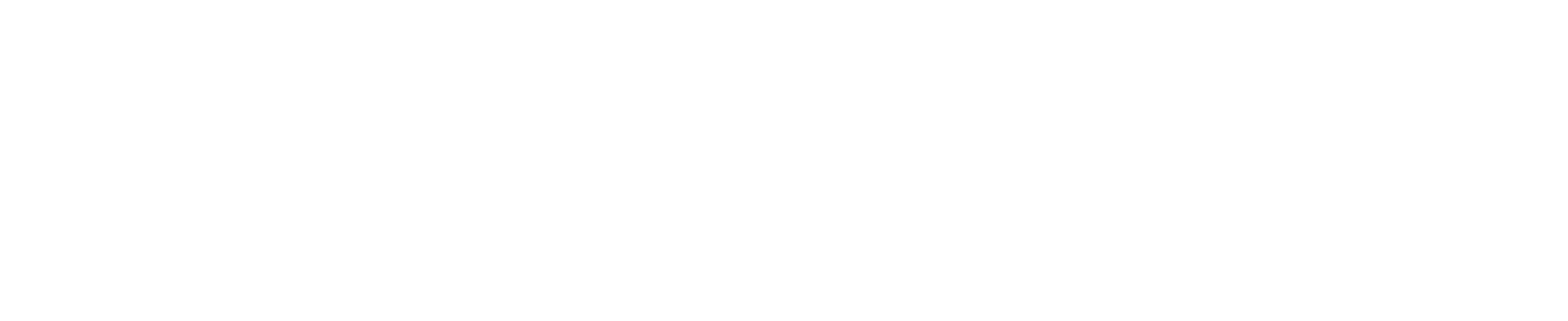
We imagined Quor drawing its engineering team for Secret Santa and listed what they wrapped up as gifts.

Head of Product
Camila Bedretchuk

With the end of the year approaching, the same discussion always returns: there are people who love Secret Santa and there are people who do everything they can to escape it (which team are you on?!).
Regardless of the team, the scene repeats itself:
An iFood voucher.
That Amazon book that has been on the list for a long time.
A mechanical keyboard, a new monitor.
All great. Everyone likes it.
But when we decided to play "QUOR's Secret Santa" and imagine that it drew your engineering team, the conversation went somewhere else.
Instead of thinking about another item for the desk or drawer, we looked at what, in 2025, actually made a difference in the day-to-day lives of those who build and operate software with us.
Throughout the year, our engineering was guided by some pillars that, in practice, function as gifts for these teams. These were the ones that drove the product and the difficult decisions along the way.
If QUOR drew your engineering team in the Secret Santa, this is what it would gift-wrap.
Less noise, more context
Anyone who works with engineering, operations, and security knows: the problem isn't just the volume of CVEs, incidents, and security backlog. Often, context is lacking exactly at the moment when the team, pressed by a deadline, needs to decide what gets left for later.
Instead of piling up alerts and dashboards, we aimed to:
reduce noise from vulnerabilities at the base with Zero-CVE images;
see the software chain before deployment, not just when the pipeline halts or the incident occurs;
help teams answer "where is the risk that matters right now?" and "what do I need to prioritize?", instead of "how many alerts do we have?".
The goal is simple: to enable engineering teams to make better decisions, even under pressure, with less opacity and more technical clarity.
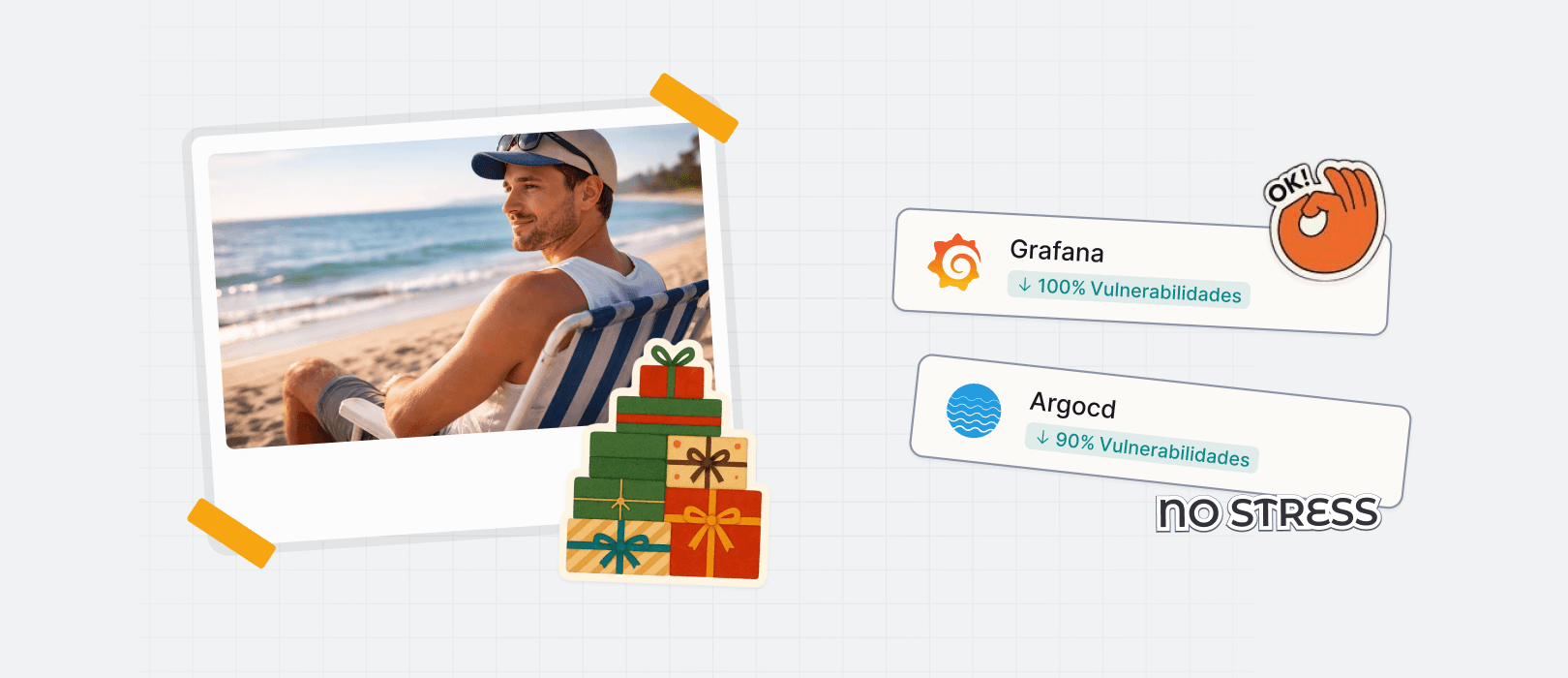
Sophistication born from simple fundamentals
We could have followed the path of piling up features.
We preferred to make a different choice: strengthen a few fundamentals and let them guide future decisions.
On a daily basis, this meant saying "no" to many things that seemed interesting but were not aligned with this core:
building from source code, with a clear chain of trust, provenance, and integrity;
reducing complexity and CVEs for those who operate, instead of adding another layer and more exceptions in production;
bringing regulatory requirements into the product design, rather than selling compliance as a 'new feature'.
The result is a product that seems simple on the surface, and that is precisely why it sustains the underlying engineering complexity.
Building a pioneering product is hard. The problem QUOR set out to solve is, by nature, complex and requires heavy investment of time, capital, and multidisciplinary knowledge. Without these very well-defined minimum principles, the math wouldn't work: you cannot consistently deliver the level of sophistication and value that we put in the hands of customers.
The deeper we went into these fundamentals, the simpler QUOR became to explain and operate, and the greater the value it managed to generate.
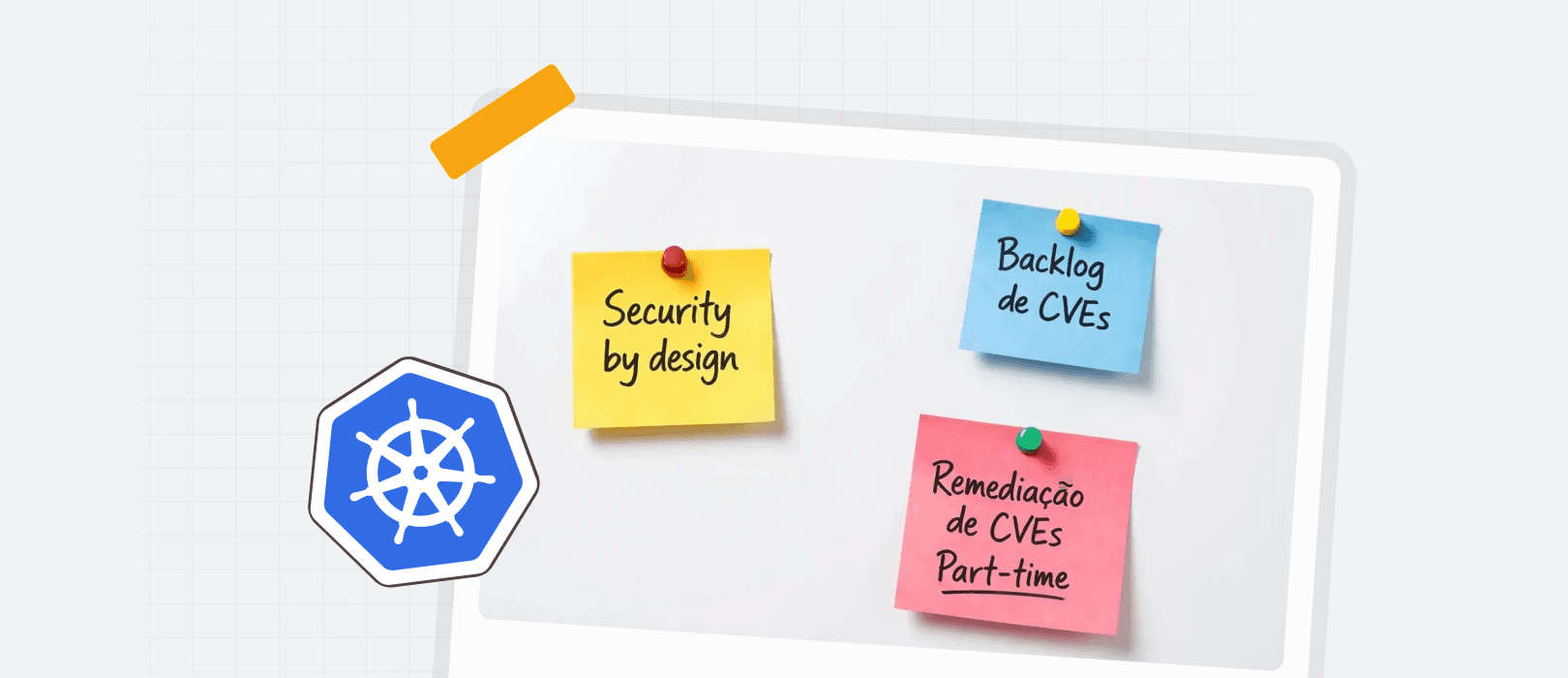
A special look at the "DevOps wizard"
In almost every conversation we had with customers, prospects, and people following QUOR, one figure was always present: the DevOps professional, who looks at everything at the same time. Code, infrastructure, product, security, compliance... and is still responsible for the goal of reducing the number of CVEs.
An important part of what we did in 2025 was to deliver something concrete for this "DevOps wizard":
transform security and regulatory requirements into something the product already delivers, instead of another spreadsheet for DevOps to fill out;
reduce the manual work of detecting vulnerabilities, understanding how they can be exploited, and planning the fix, while several other "plates" are already spinning and about to drop;
give back time and focus to activities related to the product and platform evolution, instead of just fixing CVEs and treading water.
It is a direct gift: less load concentrated on operational tasks that do not scale and more room for the engineering team to successfully sustain and evolve the product securely.
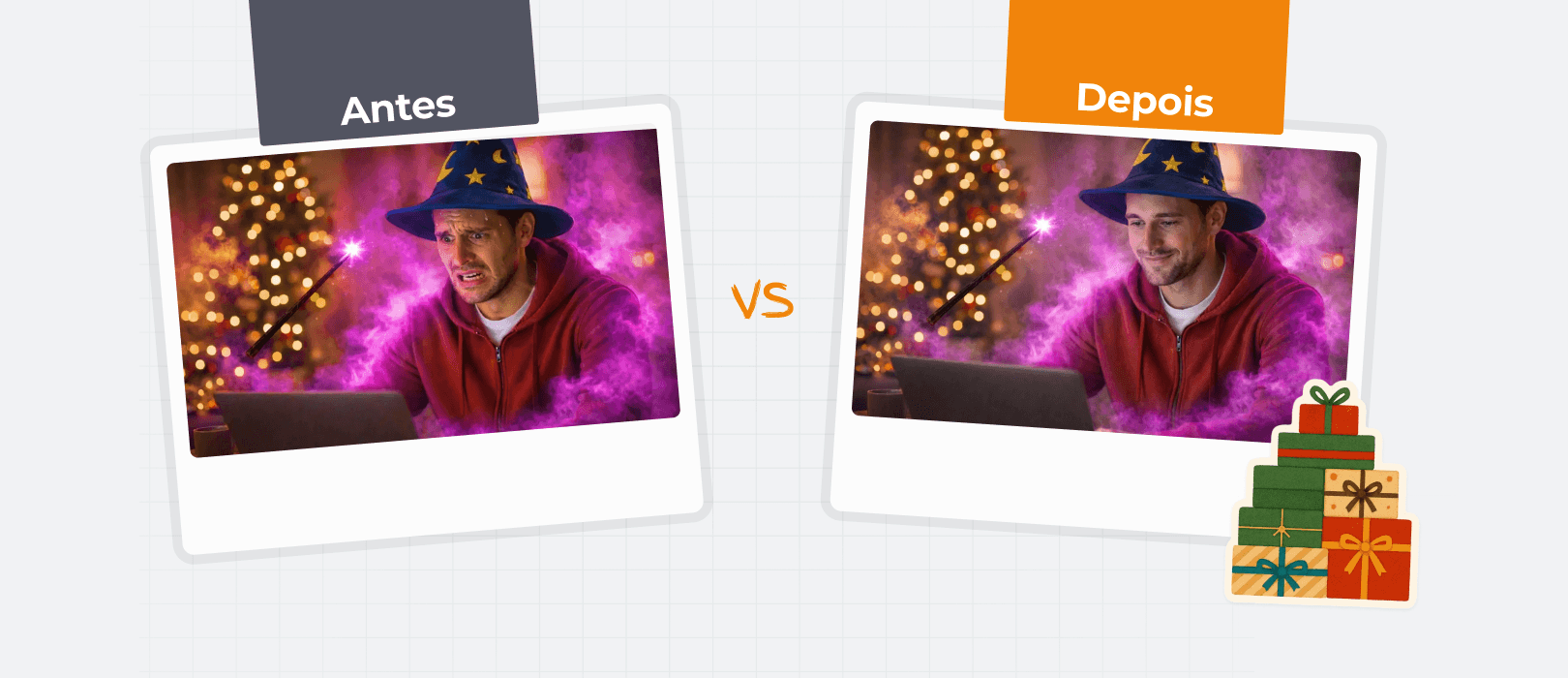
Integrated security, not at the end of the pipeline
One thing that is very clear is that software chain security does not work as a separate piece at the end of the process.
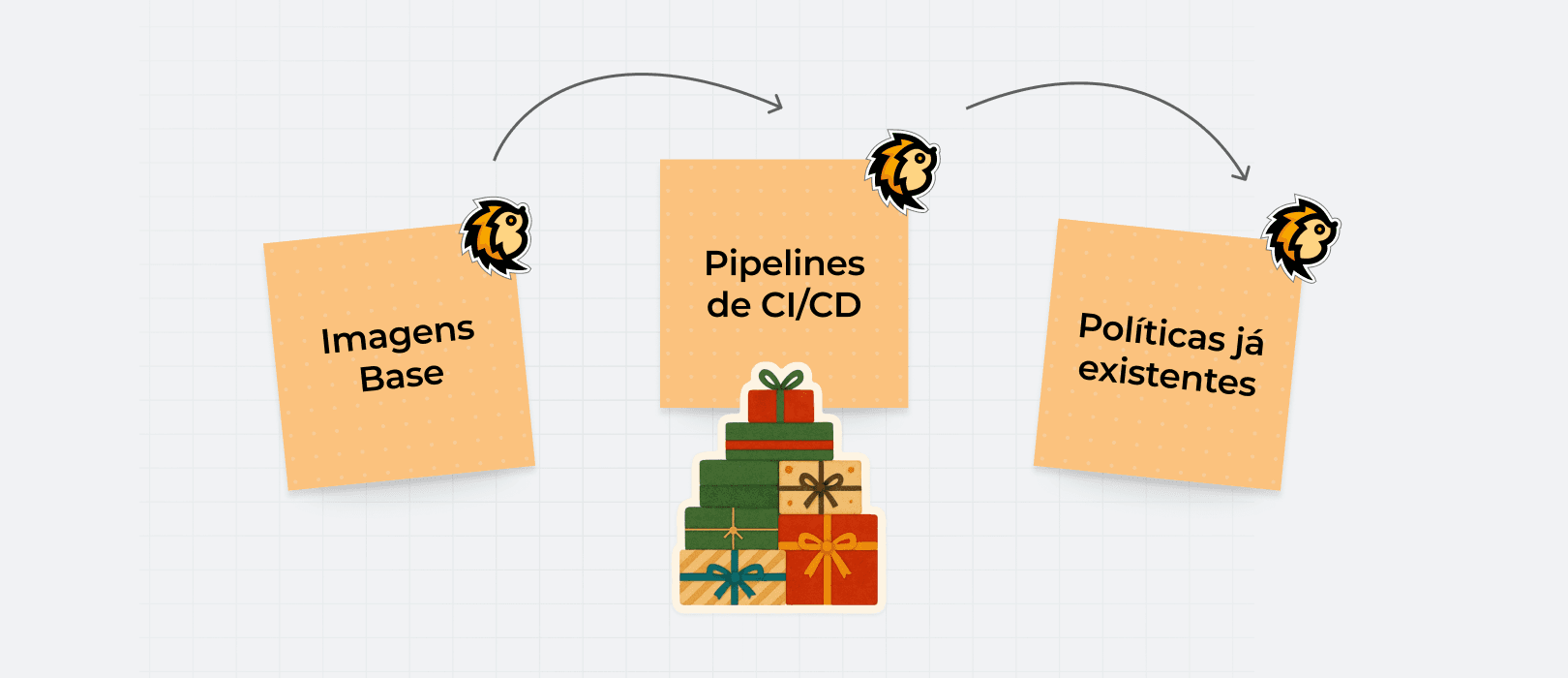
At QUOR, our focus was to integrate security where things actually happen:
in the base images that will support workloads in production;
in CI/CD pipelines, before the artifact reaches a critical environment;
in policies that already exist (Kubernetes, internal controls, regulatory requirements).
Instead of creating a "new place" for the team to look, QUOR complements the areas where Dev, DevOps, and DevSecOps already work. This reduces friction, decreases the number of exceptions, and helps make security a natural part of the flow, rather than a handbrake pulled at the last stage.
Education as a foundation, not as an accessory
There is still a strong perception that security "is expensive" and that the budget goes almost entirely to artificial intelligence and innovation (okay, there's some truth here!).
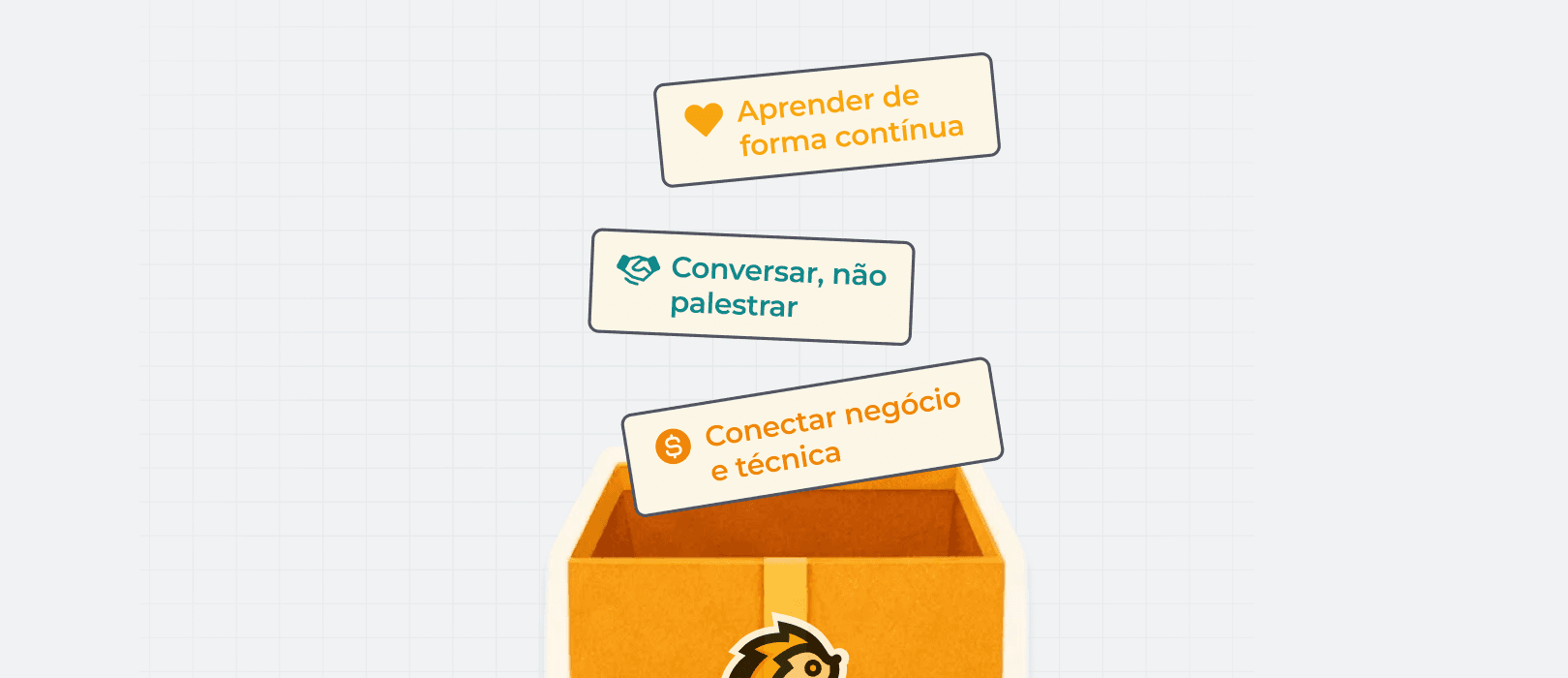
If we want to change this scenario, we need to transform the culture: move away from reactive mode and build a truly preventive posture. This is where QUOR enters as an ally to engineering teams, which is why we treat education as part of the product's foundation, not as an extra.
This means:
explaining, in an objective way, the impact of vulnerabilities and software chain failures;
translating requirements (including those from regulated sectors) into language that makes sense to engineering;
using content, demos, and technical conversations as spaces for exchange, not just presentations.
Each critical CVE, each production use case, and each conversation with customers, prospects, and people close to the project turned into material to learn and teach better.
The goal is for those who use QUOR to not just have QUOR as a tool, but to actually raise their security standard: to be able to change how they talk about risk and costs within the company and how they prioritize what is best for the business.
And after Christmas?
This is the foundation we have built with QUOR so far. Moving forward, we want to continue bringing engineering and security closer together and be the partner for these teams: fewer CVEs in production, more visibility over what makes up the software chain, and a greater ability to explain risk and compliance to requirements, taking the weight off teams and bringing more structure, clarity, and trust to running software in production—especially in a scenario of new decrees and an increasingly strong national cybersecurity agenda.
Happy holidays and a great 2026.
QUOR Team.
Newsletter Getup.
Atualizações sobre Kubernetes e Software Supply Chain Security todos os meses.
Operating Kubernetes in production for more than 13 years. With Quor, this experience extends to software supply chain security as well.
GET UP
© Getup · 2026