Predict the evolution of DevOps and Kubernetes, highlighting trends such as advanced automation, enhanced security, and hybrid cloud adoption.

CTO
João Brito
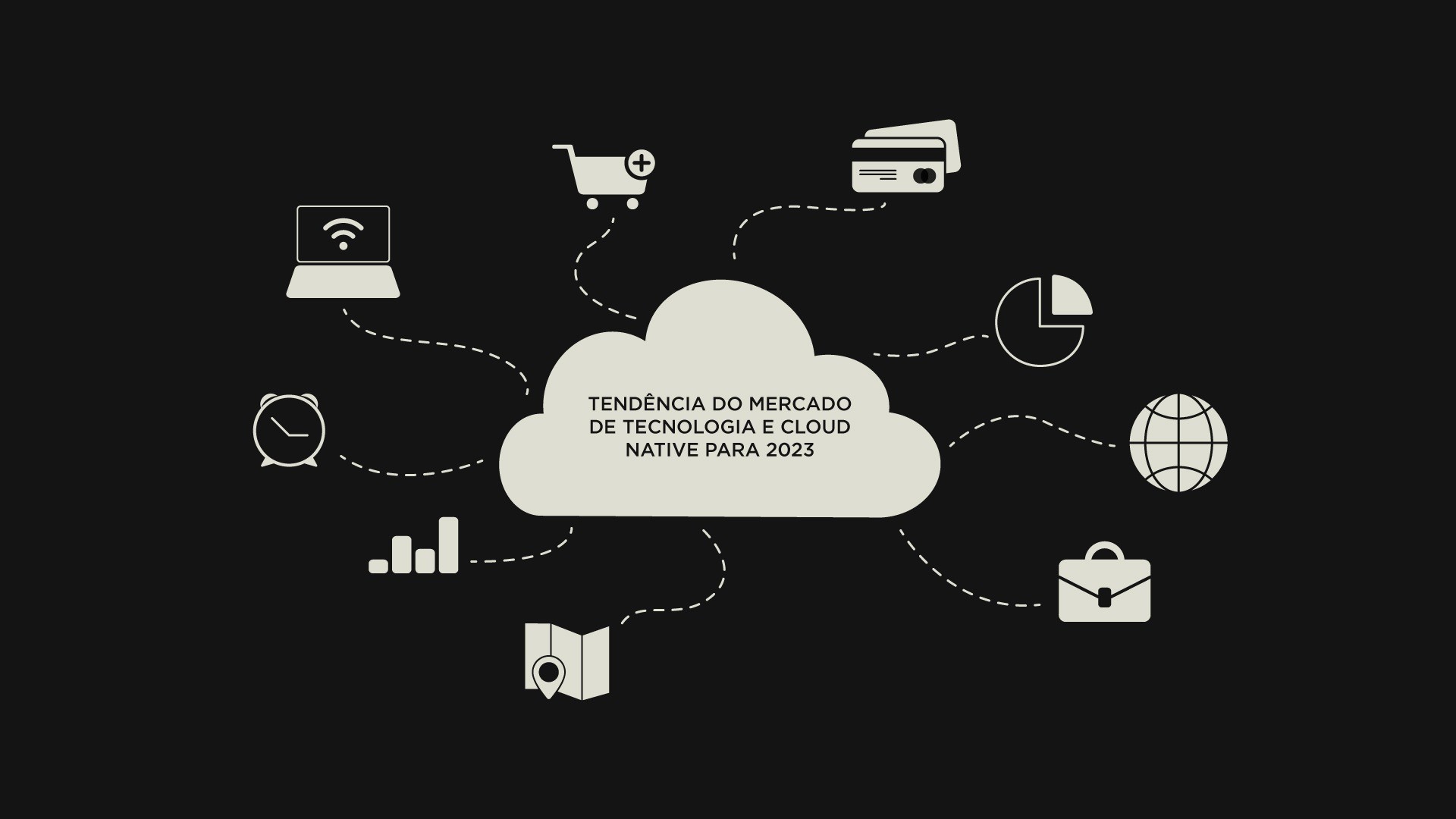
Where to put your attention?!
It is difficult to make specific predictions about the future of DevOps and Kubernetes, as both fields are constantly evolving, being influenced by many factors. However, here are some potential trends and developments that could shape the DevOps and Kubernetes landscapes in 2023:
Continued growth and adoption of Kubernetes: Kubernetes has become a popular choice for managing containerized applications, and this trend is likely to continue in the coming years. As more organizations adopt it, there will be an even greater focus on providing tools and services to make usage and management easier.
Greater automation and use of AI/ML in DevOps: automation, the use of artificial intelligence and machine learning in DevOps processes will likely continue to grow in popularity. This will lead to the development of new tools and techniques to make the automation of complex tasks and processes easier.
Platform Engineering: Platform engineering has evolved rapidly in recent years, as the need to run applications and services has increased along with the number of different teams interacting with the environments. The growth of cloud computing and the emergence of new DevOps practices have led to a dramatic increase in the demand for platform engineers. In addition to traditional software engineering skills, platform engineers must have knowledge of DevOps practices and tools, such as Infrastructure as Code (IaC) and Containerization, Kubernetes, security, architecture, networking, among others. In order to define a safe path where teams can focus on applications without neglecting the best practices and "guardrails" defined by the company.
Greater emphasis on security: as organizations continue to rely on DevOps and Kubernetes to deliver applications and services, there will likely be an increased focus on security. This may involve the development of new tools and practices to ensure the security of containerized applications and the infrastructure on which they run.
Greater adoption of hybrid and multi-cloud strategies: many organizations are already using a combination of on-premises infrastructure and public cloud services, and this trend is likely to continue in the coming years. This could lead to the development of new tools and practices to support the management of hybrid and multi-cloud environments.
Continuous evolution: since Docker and Kubernetes have had a significant impact on how applications are developed and deployed, and this trend is likely to continue, there will be new developments in container technologies in the coming years that could further shape the DevOps landscape, and one thing is certain: the CNCF landscape won't stop growing!
Stay tuned for an even more exciting 2023!
#Kubicast #Kubilab #Kubidrops
Newsletter Getup.
Atualizações sobre Kubernetes e Software Supply Chain Security todos os meses.
Operating Kubernetes in production for more than 13 years. With Quor, this experience extends to software supply chain security as well.
GET UP
© Getup · 2026